All You Can Eat Everything: Inside the Wild World of Competitive Eating's New Generation
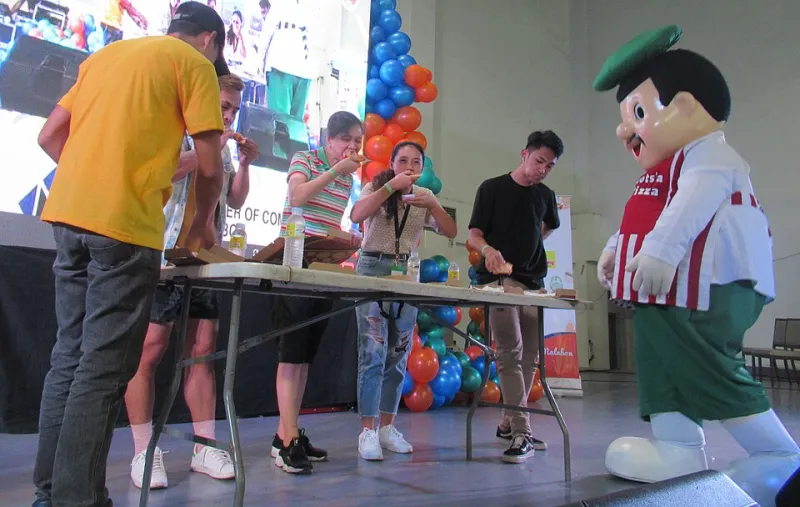
Photo: SwarmCheng, CC BY-SA 4.0, via Wikimedia Commons
The burger weighs nine pounds. It's sitting on a plate the size of a hubcap at a roadside diner in rural Tennessee, surrounded by a pound of fries and roughly half a gallon of coleslaw. The clock is running. A camera is pointed at a 26-year-old from Columbus, Ohio, who goes by the handle @BigMealBrandon, and he is approximately four minutes into what will become one of the most-watched food challenge videos of the year.
This is competitive eating in 2024. It smells like grease, sounds like a crowd losing its mind, and looks — on a phone screen being watched by 340,000 people — like the most entertaining thing on the internet.
From County Fairs to Content Empires
Competitive eating has existed in some form for as long as humans have been competitive and hungry, which is to say: forever. The Nathan's Famous Hot Dog Eating Contest on Coney Island has been running since 1916. For most of the twentieth century, the whole enterprise was a novelty act — a summer spectacle, a weird thing you watched once and forgot.
Then the internet happened. Specifically, YouTube happened, and then Instagram, and then TikTok. Suddenly the question wasn't just can someone eat 50 hot dogs — it was can someone eat 50 hot dogs while being charismatic enough that a million strangers want to watch?
The answer, it turns out, is yes. Repeatedly and enthusiastically yes.
The current landscape of competitive eating is a layered ecosystem. At the top, you've got the sanctioned professional circuit — Major League Eating, the organization that governs ranked competitions and crowns official world record holders. Below that, and in many ways more culturally interesting, is the sprawling underground of food challenge culture: independent eaters who travel from diner to diner, food truck to food truck, attempting house challenges and regional records with no governing body but a very engaged comment section.
The Psychology of the Impossible Portion
Ask any serious competitive eater why they do it and you'll get answers that range from "it's just fun" to surprisingly thoughtful reflections on identity, community, and the particular satisfaction of doing something most people can't.
Sports psychologists who've studied extreme eating competitors note patterns that parallel endurance athletes more than they resemble traditional eating behaviors. There's a mental component to sitting in front of a comically large plate of food that goes beyond physical capacity — the ability to stay calm, pace strategically, and push through the psychological wall that hits somewhere around the halfway mark.
For the social media generation of challengers, there's an additional layer: performance. The camera changes the game. You're not just eating; you're narrating, reacting, building tension. The best food challenge creators understand pacing as storytelling. The moment of doubt around minute eight. The comeback. The triumphant finish. It's sport, theater, and content strategy all at once.
The Sponsorship Economy Nobody Talks About
Here's the part that surprises people who still think competitive eating is a hobby for guys with nothing better to do on a Saturday: there's real money in this.
Top-tier food challenge creators with audiences in the hundreds of thousands are pulling in sponsorship deals from hot sauce brands, meal kit companies, energy drinks, and — perhaps most fittingly — antacid manufacturers. Merchandise lines. Paid appearances at restaurant openings. Some of the bigger names have turned their challenge content into full-time careers with incomes that would make a lot of office workers reconsider their life choices.
Restaurants benefit enormously from the arrangement. A successful food challenge video is essentially free advertising with a built-in narrative arc. The diner in Tennessee that serves the nine-pound burger? They've had people drive four hours specifically because they saw a challenge attempt go viral. The challenge itself — usually offered free if completed within a time limit — pays for itself many times over in exposure.
It's a genuinely symbiotic relationship. Eaters get content and the meal. Restaurants get marketing that no ad budget could buy. Viewers get entertainment. Everybody wins, except maybe the eater's stomach, which knew what it was signing up for.
The Regional Records Nobody's Tracking (Except Everyone Is)
One of the most fascinating wrinkles in modern food challenge culture is the emergence of regional record-keeping — informal but surprisingly rigorous tracking of who holds what title at which establishment. Online communities on Reddit, Discord, and dedicated Facebook groups maintain running lists. Challengers call ahead to verify current records before attempting them. There's genuine prestige attached to holding a local title, even if the only certificate you receive is a Polaroid on a wall next to the cash register.
These regional records are where the real underground action lives. The national competitions get the headlines, but the diner-by-diner record circuit is where you find the culture in its most unfiltered form. No prize money. No ranking points. Just a room full of strangers watching you try to eat something unreasonable and cheering when you pull it off.
The Critics, the Doctors, and the Devoted Fans
Competitive eating does not lack for critics. Medical professionals raise consistent concerns about the long-term effects of extreme consumption, particularly on the stomach's natural capacity and signaling mechanisms. Eating disorder advocates occasionally flag the glorification of extreme intake as potentially harmful messaging. These aren't frivolous concerns.
But the competitive eating community itself tends to be surprisingly self-aware about the distinction between competitive performance and everyday eating. Most serious challengers are clear that what they do is a trained, practiced sport — not a template for Tuesday night dinner. The best creators in the space are transparent about preparation, recovery, and the fact that what looks spontaneous on camera is often the result of deliberate physical conditioning.
The fans, meanwhile, are devoted in a way that defies easy explanation to anyone who hasn't fallen into the rabbit hole. They track their favorite eaters' schedules. They debate technique with the intensity of fantasy sports enthusiasts. They show up in person when a local challenge is being attempted, phone cameras raised, ready to witness something that is, when you strip away all the commentary, just a person doing something extraordinary with a plate of food.
Why This Matters More Than You Think
At its core, competitive eating culture is about celebrating human capacity — the weird, wonderful, occasionally disgusting edges of what a person can do. It's communal in a way that a lot of modern entertainment isn't. It's physical. It's live. It's stakes-driven. And it happens in restaurants, diners, and food trucks that are deeply embedded in local communities.
Fat 315 was built for exactly this kind of thing. Big flavor, no apologies, no pretense that eating is anything other than one of life's great pleasures in all its forms. The competitive eating world just takes that philosophy and turns it all the way up.
The nine-pound burger, for the record? Brandon finished it with six minutes to spare. The crowd went absolutely insane. The video hit a million views in 48 hours.
The diner sold out of the challenge burger for the next three weekends.
Everybody ate.