Supersized and Shameless: How Fast Food Finally Stopped Saying Sorry
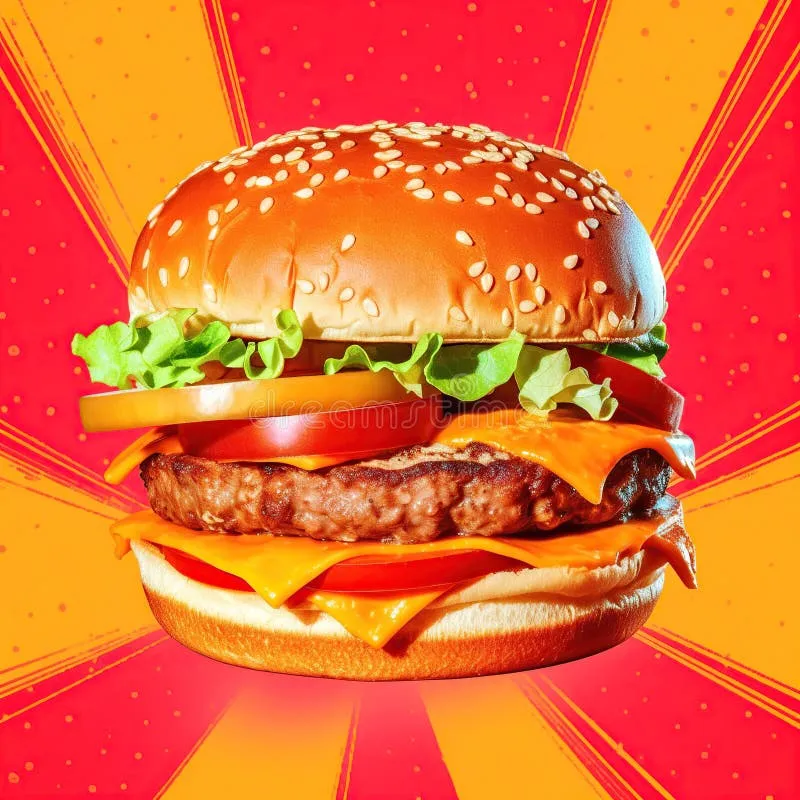
Photo: oversized cheeseburger fast food bold colorful, via thumbs.dreamstime.com
Somewhere around 2015, a marketing executive at a major fast food chain sat in a conference room and made a truly bold decision: they added a kale salad to the menu. The press release practically wrote itself. We hear you. We're changing. We care about your wellness journey. The salad sold terribly. The Double Whopper sold like it always had — spectacularly. Nobody was surprised except, apparently, the marketing executive.
Fast forward to today, and the landscape looks almost unrecognizable. Burger King is dropping limited-edition sauce bombs with zero nutritional pretense. Taco Bell is releasing items with names that sound like dares. KFC keeps finding new things to stuff inside other things. And the customers? They're not just buying. They're posting, sharing, and lining up around the block.
Something shifted in the culture. And the chains that figured it out first are eating everybody else's lunch — literally.
The Salad Years Were a Lie Nobody Believed
Let's be honest about what the health pivot era actually was: a PR exercise dressed up as a menu overhaul. Between roughly 2010 and 2020, nearly every major chain added lighter options with the energy of someone doing penance. McDonald's pushed apple slices. Wendy's leaned into its salad bar legacy. Subway built an entire brand identity around the idea that eating a footlong was somehow a fitness decision.
But the data never backed the story. Market research consistently showed that the overwhelming majority of fast food customers were not there for the grilled chicken wrap. They were there because they wanted something that tasted like a reward. Something unapologetic. Something that didn't come with a side of "but have you considered steaming it?"
Food culture critics have been pointing this out for years. The guilt-layered marketing approach created a weird cognitive dissonance — chains were essentially telling customers to feel bad about the thing they were already in line to buy. That's not a brand strategy. That's a therapy session nobody asked for.
The Tipping Point Nobody Saw Coming
Diet culture, as a dominant social force, started cracking around 2018 and 2019. The body positivity movement grew teeth. Influencers who ate enthusiastically and without apology started pulling massive audiences. The phrase "clean eating" began appearing in think-pieces the same way "mansplaining" did — as a thing people were exhausted by.
Restaurants noticed. Not immediately, and not all at once, but the signals were there if you were paying attention.
Taco Bell's limited-edition drops started leaning into the chaos rather than away from it. The Mexican Pizza comeback wasn't sold as a nostalgic indulgence you should feel conflicted about — it was sold as a cultural moment. Fans campaigned for it. A petition with hundreds of thousands of signatures existed. That's not the behavior of a customer base that wants to be reminded to eat in moderation.
KFC, meanwhile, embraced the maximalist energy so completely that their marketing became self-aware performance art. The rotating parade of celebrity Colonel Sanders, the KFC-branded romance novel, the chicken sandwich wars they entered swinging — none of it whispered "wellness." All of it screamed "we know exactly what we are and we're having a great time."
Big Flavor as a Business Model
Here's what the boardroom version of this story looks like: brands that leaned into indulgence saw engagement metrics that health-conscious pivots never generated. Social media loves excess. A triple-stacked burger with a name that sounds illegal gets shared. A sensible grain bowl gets scrolled past.
Burger King's "You Rule" campaign, which launched in 2022, was practically a manifesto for the new era. The entire premise was customer validation without conditions. No asterisks. No "as part of a balanced diet." Just: you made a choice, that choice is a Whopper, and that's a perfectly good choice.
The marketing logic tracks. When you stop apologizing for what you sell, you stop undermining the customer's decision to buy it. That's not cynicism — that's respect, fast food style.
What the Critics Got Right (And Wrong)
Not everyone is popping confetti over the death of diet culture marketing. Nutrition advocates have raised legitimate concerns about the public health implications of celebrating excess without context, particularly in communities where fast food is a primary food source rather than an occasional indulgence. Those conversations matter and they're not going away.
But the food culture critics who saw this shift coming make a compelling counter-point: the guilt-layered approach wasn't making anyone healthier. It was just making the eating experience worse. If someone is going to eat a double cheeseburger — and millions of people are, every single day — being made to feel terrible about it doesn't improve the nutritional outcome. It just adds shame to the transaction.
The chains that figured this out stopped trying to be something they weren't. And paradoxically, that honesty is what's building loyalty.
Where This Goes Next
The next phase of this cultural shift is already taking shape. Limited-edition drops are becoming events. Collaborations between fast food brands and musicians, athletes, and creators are going harder and weirder. The Travis Scott Meal at McDonald's was a preview of a playbook that's now standard operating procedure — make the meal a moment, not a meal.
Customers are responding because the transaction finally feels honest. You're not buying a burger and a side of guilt. You're buying a burger and a side of yeah, this is good and I know it.
At Fat 315, we've been living in this energy since day one. Big flavor, zero apologies — it's not just a tagline. Turns out it's also a winning business strategy. The fast food industry just took a decade to catch up.
Better late than never. Now pass the sauce.