The Fake Flashback: How Food Brands Are Selling You Memories That Were Never Real
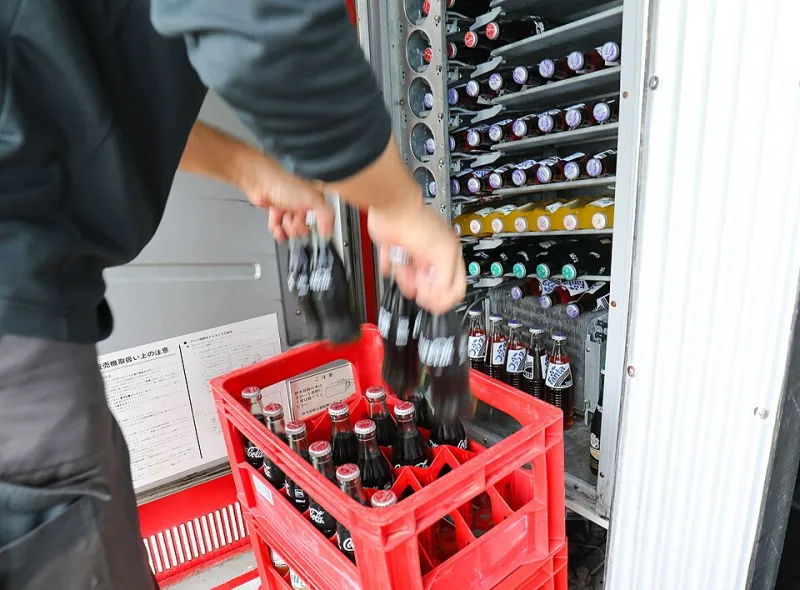
Photo: Sean Kimmons, U.S. Army Garrison Japan Public Affairs, Public domain, via Wikimedia Commons
Somewhere right now, a marketing team at a major food company is huddled around a conference table covered in Post-it notes and Nielsen data, trying to figure out how to make you feel something. Not happy, exactly. Not satisfied. Something more specific and more exploitable than that. They want you to feel nostalgic. And if they can't find a real memory to attach their product to, they will simply manufacture one from scratch and trust that your brain will fill in the rest.
This is the food industry's most successful con of the last decade, and it's accelerating.
The Surge of the Fake Comeback
Let's talk about Surge. The aggressively citrus-green soda from the '90s came back in 2014 after a Facebook campaign, was sold exclusively on Amazon, and generated the kind of media coverage normally reserved for presidential elections. People lined up. People cried. People bought cases of it and filmed themselves opening the first can with the reverence of a religious ceremony.
And then most of them admitted it tasted... fine. Like a slightly different Mountain Dew. The drink itself was never the point. The feeling of the drink — the memory of being 12, the Saturday morning cartoons, the complete absence of adult responsibility — that was the product. Surge was just the delivery mechanism for a manufactured emotional experience.
This is the blueprint that every food brand now follows with almost robotic consistency. Crystal Pepsi. Dunkaroos. The McRib, which has been a "limited return" so many times it should just be called a menu item. Hi-C Ecto Cooler. Jell-O Pudding Pops. The list of "they're back!" products that were never actually gone long enough to be missed keeps growing because the strategy keeps working.
The Memory Isn't What You Think It Is
Here's where it gets genuinely weird. Neuroscientists and food researchers have documented something called "nostalgic flavor distortion" — the phenomenon where the memory of how something tasted is dramatically better than the thing actually tasted when you were eating it. Your brain has been quietly upgrading the flavor profile of your childhood favorites for 20 or 30 years, adding richness and warmth and meaning that the original product never had.
So when a brand brings back a "classic" flavor, they're not competing against the original product. They're competing against your idealized, memory-enhanced, emotionally loaded version of it — which is a competition they cannot win. The product will always be a little disappointing. And then the brand's marketing team will call that disappointment "authentic" and lean into it, because even a little disappointment is better than indifference.
The real genius of nostalgia marketing is that it's immune to bad reviews. If the product tastes great, you feel validated. If it tastes mediocre, you chalk it up to "I guess I was just remembering it wrong" and the brand escapes blame entirely. It's an asymmetric game and the brands are playing it on expert mode.
The 80s That Never Were
The current wave of "retro-inspired" fast food items takes this manipulation to its logical extreme by inventing nostalgia for things that didn't exist at all. Chains are now releasing items described as "'80s-style" or "old-school inspired" that have no actual precedent — they're just regular products dressed up in vintage fonts, faded color palettes, and copy that says things like "just like you remember" when there is nothing to remember because this item has never existed before.
This is nostalgia bait without even the pretense of a real reference point. The brand isn't saying "we brought this back." They're saying "this feels like something from your past" and trusting that your brain will invent the backstory automatically. Which it will, because human memory is collaborative and suggestible and desperately wants to make meaning.
And it works. Limited-edition "retro" items consistently drive engagement, social media coverage, and actual sales at a rate that regular new product launches rarely match. The fake memory is more powerful than the real one.
What This Says About the Industry's Imagination
Let's be honest about what's actually happening here. The food industry — particularly fast food and packaged snacks — is creatively exhausted. Genuinely new flavors are expensive to develop, risky to launch, and hard to market. Nostalgia is cheap, low-risk, and practically markets itself because the audience does most of the emotional heavy lifting for free.
When Pepsi releases its ninth variation on a retro can design, they're not innovating. They're strip-mining cultural memory because strip-mining is easier than building something new. When a fast food chain announces a "throwback menu" for a limited time, they're not celebrating their history. They're using your history — your actual memories of being alive — as raw material for a marketing campaign.
This isn't cynical for cynicism's sake. It's a rational response to a market where novelty is increasingly hard to achieve and nostalgia is an inexhaustible resource. The problem is that it crowds out actual creativity and trains consumers to value the familiar over the genuinely new. Every time a retro relaunch outsells a real innovation, it sends a message to every product development team in the country: don't bother.
How to Eat in the Present Tense
None of this means you have to feel stupid for getting excited about Dunkaroos coming back. The emotional response is real even when the memory is constructed. But knowing the trick changes your relationship to it.
The next time a brand announces a "retro" product with a wave of sepia-toned marketing and calculated scarcity, ask yourself: do I actually remember this, or am I remembering the idea of this? Is this a taste I loved, or a time I loved that this brand is now renting space in? The answers don't have to stop you from buying the thing. They just stop the brand from owning your feelings while they're doing it.
Eat the nostalgia product if you want. Just know you're buying a vibe, not a memory. And definitely don't let them charge you extra for the limited-edition retro can.
That's just a regular can with a different font.