Forget the $50K Snack Box: Regular People Are Curating Better Hauls From the Discount Aisle
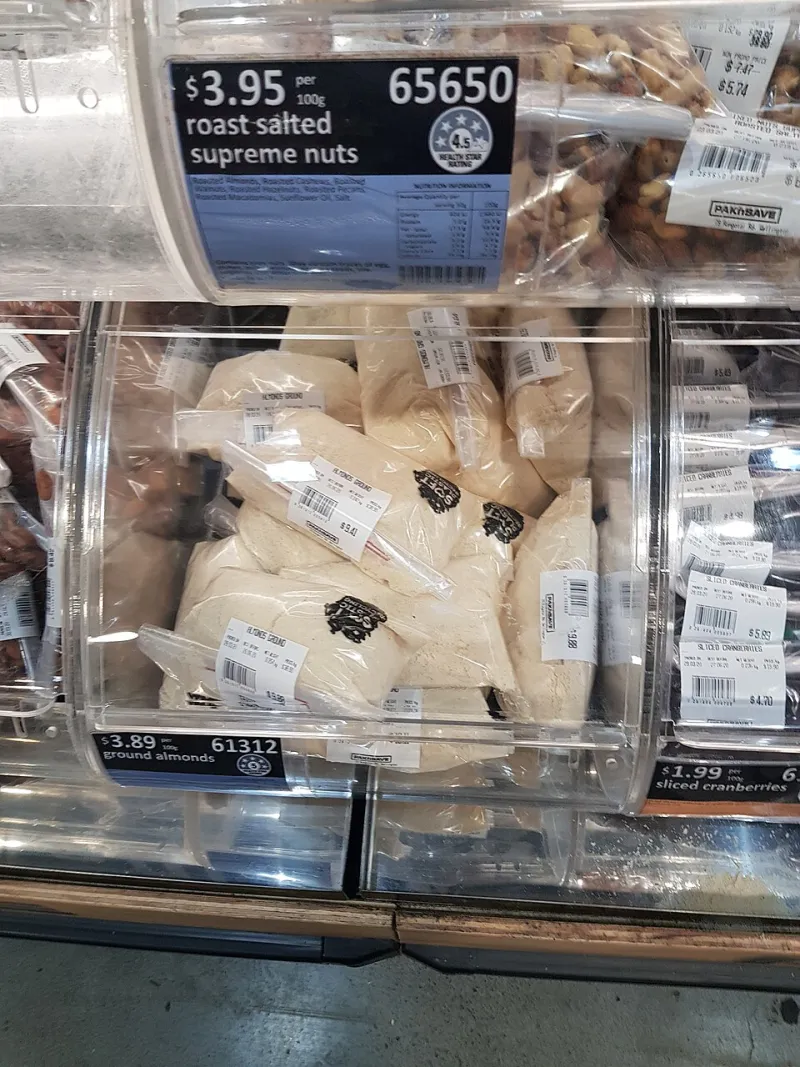
Photo: Siobhan Leachman, CC0, via Wikimedia Commons
Somewhere right now, a brand manager is sitting in a glass-walled conference room approving a snack box that cost fifty thousand dollars to conceptualize. There's a mood board. There are font choices. There is, almost certainly, a woman with a clipboard talking about "the sensory journey." Meanwhile, a thirty-four-year-old in Columbus, Ohio, just built a more interesting snack situation out of a Lidl run, the bulk bins at Winco, and a corner of an H Mart she's never been brave enough to fully explore. She paid maybe eighteen bucks. Her coworkers are losing their minds over it.
This is the grocery store rebellion, and it doesn't have a hashtag. Not yet, anyway.
The Influencer Snack Industrial Complex Is a Racket
Let's be honest about what's been happening. For the last several years, a specific type of content creator has been paid real money — sometimes absurd money — to tell you what snacks deserve to exist in your life. The boxes arrive in branded mailers. The tissue paper is color-coordinated. The items inside are photographed with ring lights and described using words like "artisanal" and "small batch" and "thoughtfully sourced."
And a lot of it is fine. Some of it is genuinely good. But here's the thing nobody wants to say out loud: a huge percentage of those curated boxes are built around what brands paid to be included, not what a human being actually wants to eat at 10:47 on a Tuesday night when the day has been catastrophic and the only thing standing between you and a full meltdown is something salty and a little weird.
The influencer snack box was never really about you. It was about the deal.
The Bulk Bin Is Having a Moment (It Deserves)
Walk into any Winco, any Sprouts, any grocery store with a functioning bulk section, and you'll find the raw materials for something genuinely personal. Yogurt-covered pretzels next to wasabi peas next to some kind of aggressive dark chocolate chunk that costs forty cents for a small scoop. This is not a curated experience. This is a choose-your-own-adventure situation, and people are running with it.
The DIY snack curation crowd — a loose, largely online, frequently chaotic community of people who post their hauls without brand partnerships or aesthetic filters — has figured out something important. Personalization is not a feature you can buy from a subscription box. It's a result of actually knowing what you like and being willing to wander an aisle you've never tried before.
Some of these people are building weekly "snack rotations" the way other people build playlists. Intentional. Evolving. Deeply specific to their own weird preferences. One person's box is all heat and crunch. Another is exclusively soft textures and mild flavors because that's what their anxiety allows right now. Nobody is performing for a brand brief. It's just eating, elevated by self-knowledge.
International Aisles Are the Cheat Code Nobody Talks About Enough
Here is where the DIY snackers are absolutely lapping the influencer set: the international aisle. Or better yet, the actual international grocery store.
H Mart. 99 Ranch. Your city's specific version of a Korean, Mexican, Middle Eastern, or South Asian grocery store that's been there for decades while the food media world pretended it didn't exist. These places have been sitting on some of the most interesting snack inventory in the country, and they're not charging a premium for the discovery. They're just charging for the food.
Seaweed chips that cost a dollar fifty and hit harder than anything in a branded subscription box. Corn-based snacks from the Mexican aisle that have been doing "bold flavor" since before it was a marketing concept. Japanese milk bread in individually wrapped portions. Shrimp crackers that people either love completely or refuse to be in the same room with — and that's exactly the kind of polarizing, specific snack energy that no brand-approved box is going to risk.
The best snack finds right now are not being sponsored. They're being discovered by someone who got curious and wandered left instead of right.
Why the Unglamorous Combination Is Almost Always the Right One
Here is an actual snack combination that a real person built from a recent Aldi and Dollar Tree run: Aldi's peanut butter-filled pretzels, a bag of Takis they got on sale, some kind of off-brand coconut cluster thing that was ninety-nine cents, and a sleeve of those thin chocolate wafer cookies that exist in every culture under a different name.
This is not a cohesive flavor profile. There is no throughline. A food editor would have notes. But it's also exactly what that person wanted, assembled with complete intention, and eaten with zero apology. That's the whole point.
The DIY snack movement isn't anti-quality. It's anti-performance. It's the rejection of the idea that your snack choices need to be validated by someone who got paid to validate them. The weird combination that only makes sense to you is more honest than any mood-boarded box that arrived in a mailer.
Discount Stores Got Interesting and People Noticed
Another piece of this puzzle that's easy to miss: discount stores have genuinely gotten better. Aldi keeps importing things that have no business being in a discount store. Dollar Tree has a snack section that periodically produces something legitimately exciting. Grocery Outlet — for those lucky enough to have one — is basically a rotating snack mystery box that you curate yourself by showing up and seeing what landed this week.
This is the part that really breaks the influencer snack model. The subscription box operates on predictability. Same window, same mailer, same general vibe. But walking into a Grocery Outlet on a random Wednesday and finding a foreign import you've never seen before, priced at two dollars because it's near code, is an experience no brand can manufacture. It's a treasure hunt, and the treasure is genuinely random and sometimes incredible.
The Real Flex Is Knowing What You Actually Like
At the end of this, the DIY snack curation movement is about something pretty simple: self-knowledge. The influencer box asks you to trust someone else's palate, someone else's brand relationships, someone else's idea of what your snack life should look like. The grocery store rebellion says no thanks, I know what I want, and I'm going to build it myself from the bulk bins and the international aisle and the discount rack at the back of a store that doesn't have an aesthetic.
The snack you built yourself, the weird combination that nobody else would have assembled, the thing you found in an aisle you weren't supposed to be in — that's the one you're going to remember. The fifty-dollar curated box is going to end up in a TikTok that disappears in forty-eight hours.
Your Aldi pretzel and Takis situation is going to live in your rotation for six months. Big flavor. Zero apologies. No mood board required.