Nobody Asked Marketing: How Ordinary Shoppers Are Out-Trending the Entire Food Industry
Somewhere in a glass-walled conference room right now, a group of very expensive consultants is staring at a PowerPoint slide trying to figure out why their $4 million campaign for a new oat-based snack bar is getting absolutely torched in engagement by a 34-year-old mom from Tulsa who just filmed herself losing her mind over a seasonal Trader Joe's cookie butter spread.
The answer is not complicated. The answer is that nobody trusts the machine anymore — and the machine never saw it coming.
The Death of the Manufactured Moment
For decades, the food industry ran on a simple formula. You pay an agency. The agency builds a concept. You flood the airwaves, slap it on a Times Square billboard, hand it to a celebrity, and watch it become "a thing." General Mills didn't ask your permission when they made Lucky Charms iconic. They just told you it was magical until you believed it.
That playbook is disintegrating in real time.
According to food trend analysts who track consumer behavior, the most significant product surges of the last three years were not driven by advertising budgets. They were driven by strangers recommending things to other strangers on the internet — with zero financial incentive and an almost aggressive amount of personal enthusiasm.
"What we're seeing is a complete inversion of the traditional trend funnel," said one food industry analyst who has consulted for several major grocery chains. "It used to be brand down to consumer. Now it's consumer up to brand. And the brands that haven't figured that out are still throwing money at influencers who peaked in 2019."
The Cult Product Pipeline Is Real and It's Gorgeous
Let's talk specifics, because the examples are genuinely unhinged in the best possible way.
Chili crisp. A condiment that had been sitting on shelves in Asian grocery stores for years — beloved by people who actually knew food — suddenly exploded into mainstream American consciousness not because Walmart ran a promotion, but because enough people kept telling enough other people that it was the greatest thing they'd ever put on eggs. Fly By Jing and Lao Gan Ma didn't need Super Bowl ads. They needed a hundred thousand home cooks to just keep yelling about it online.
Or consider the great frozen dumpling awakening of recent years. Trader Joe's gyoza. Whole Foods' soup dumplings. Products that were already there, already good, suddenly getting treated like they'd just been discovered by explorers. Because in a sense, they had been — rediscovered by a generation of shoppers who weren't going to wait for a brand to tell them what to care about.
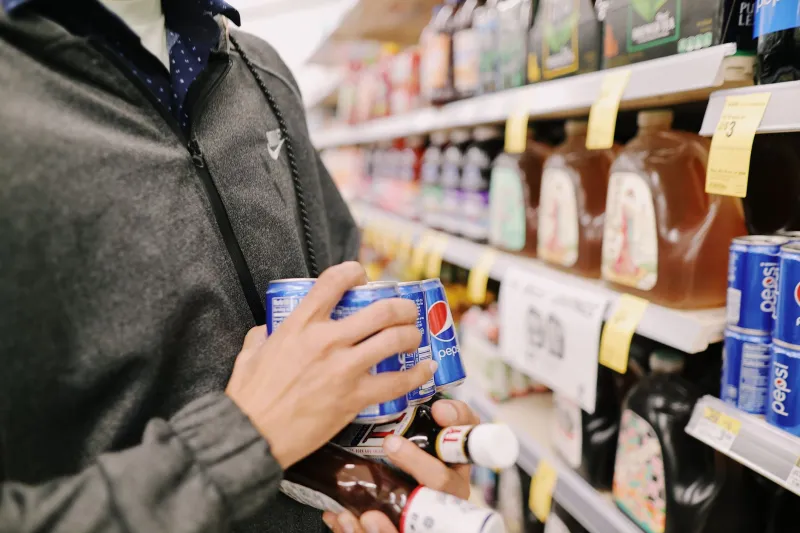
"I found the black sesame oat milk at my local H-E-B because someone in a Facebook group I'm in posted a photo of their cart," said one shopper in Austin we spoke with. "I wasn't looking for it. I didn't even know I wanted it. But four people in the comments said it was unbelievable, so I grabbed it. That's my entire discovery process now."
Why Word-of-Mouth Hits Different in 2024
There's a trust dimension here that marketing departments fundamentally cannot replicate, no matter how much they try to make their campaigns feel "authentic." And they are absolutely trying.
You've seen it. The brand that suddenly starts tweeting like a sleep-deprived college student. The Super Bowl commercial designed to look like a lo-fi TikTok. The influencer partnership where someone holds up a protein shake and says "I literally eat this every single day" with the energy of someone reading from a teleprompter they hate.
Consumers — especially younger ones — have developed a near-supernatural ability to detect the performance of authenticity. And the moment they smell it, they're gone.
What they respond to instead is someone who has nothing to gain. Someone who bought a bag of Takis Fuego at 11pm, ate the whole thing, and decided the world needed to know. Someone who discovered that a specific regional grocery chain's store-brand frozen lasagna is quietly better than anything they've paid $18 for at a restaurant, and felt morally obligated to share that information.
That's the energy that moves product now. Unhinged sincerity.
Brands Are Officially Playing Catch-Up
Here's where it gets almost poetic: the brands are now chasing trends they didn't create, trying to capitalize on momentum they had nothing to do with generating.
When a product goes viral organically, the company behind it often scrambles to restock, reformulate their marketing messaging, and pretend they planned it this way all along. They didn't. A regional chip brand that's been making the same product for thirty years doesn't suddenly become a "cultural phenomenon" because their marketing team got smarter. It becomes one because enough people in enough comment sections decided it deserved to be.
Several grocery buyers and food industry insiders have noted that their purchasing decisions are increasingly influenced by what's trending in consumer communities — Reddit threads, Facebook groups, TikTok comment sections — rather than what brands are pitching to them. The tail is wagging the dog with extraordinary confidence.
"I've started tracking what's getting talked about in local food Facebook groups before I decide what to expand shelf space for," one regional grocery buyer told us. "It's more reliable than half the sales projections I get from brand reps."
The Fat 315 Take: The People Were Always Right
Look, there's something deeply satisfying about watching an industry built on the idea that consumers need to be told what to want get absolutely humbled by a comment section.
Food has always been personal. It's always been communal. The idea that a corporation with a focus group and a Nielsen report understood your cravings better than you and your neighbors was always a little insulting, even when we all played along.
The grocery store rebellion isn't a trend. It's a correction. People are eating what they actually like, telling each other about it with the passion of someone who just found religion, and building food movements that feel real because they are real.
Madison Avenue can keep the conference room. The real food culture is happening in group chats, parking lot conversations, and the notes app of a person who just found something incredible in the international aisle and cannot keep it to themselves.
The brands will catch up eventually. They always do. But by then, the people will have already moved on to the next thing — and nobody will have asked permission to love it.