Kroger Brand Slander Is Over: Why Millions of Americans Ditched the Label and Never Looked Back
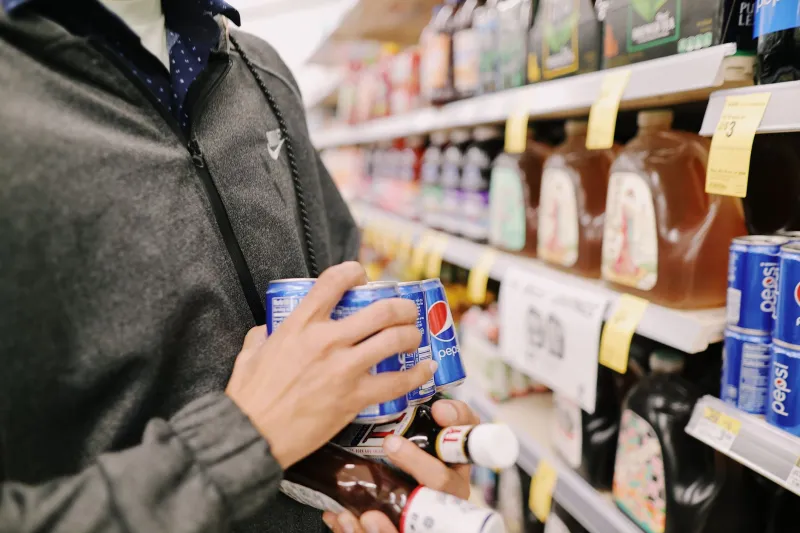
There was a time — not even that long ago — when grabbing the store-brand cereal felt like announcing to the entire grocery store that your life had gone sideways. You'd tuck that generic yellow box under your arm like contraband, avoid eye contact at checkout, and pray nobody from work saw you. The shame was real. The stigma was loud. And the name brands were laughing all the way to the bank.
That time is dead. Buried. Gone.
Somewhere between the third inflation spike and the moment people started actually tasting their Aldi finds, something shifted in the American grocery psyche. The store brand stopped being a punchline and started being the punchline's answer. And now — in a twist that has legacy food corporations quietly losing their minds — the private label is winning. Not scraping by. Winning.
The Stigma Didn't Die Slowly. It Got Torched.
Ask anyone who grew up in a house where the ketchup bottle had no recognizable face on it, and they'll tell you the same thing: there was a hierarchy in that refrigerator, and generic was at the bottom. Name brands carried cultural weight. Heinz meant something. Hunt's was the backup. No-name was the surrender.
But here's what nobody told you back then: a lot of that ketchup came out of the same factory. Same tomatoes. Same recipe. Different sticker. Different price.
That's not a conspiracy theory. That's just how co-manufacturing works, and it's been an open secret in the food industry for decades. The difference was always the marketing budget — and you, the consumer, were paying for it every single time you reached for the familiar logo.
Once people started putting that together, the whole illusion cracked.
Aldi Did Something Unforgivable to the Grocery Industry
If you want to pinpoint a villain in this story — villain from the big brand perspective, hero from literally everyone else's — it's Aldi. The no-frills German chain that treats shelf space like precious real estate and has exactly zero interest in stocking forty-seven varieties of the same chip.
Aldi didn't just offer cheaper prices. It offered better products at cheaper prices, and it had the audacity to win taste tests against the name brands it was supposedly imitating. Their SimplyNature line quietly became a pantry staple for people who thought they were too good for store brands. Their Specially Selected cheeses started showing up at dinner parties. Their coffee got people through entire winters without a single Starbucks run.
And then Trader Joe's did it with personality. And then Costco's Kirkland Signature did it with volume. And then Walmart's Great Value did it with sheer ubiquity. And suddenly, the store brand wasn't the fallback. It was the first reach.
The Shoppers Who Switched and Are Smug About It Now
Talk to anyone who made the switch a few years back and you'll notice a particular energy. It's the energy of someone who found a shortcut that everyone else was too proud to take. There's a low-key smugness to it — not obnoxious, just deeply, quietly satisfied.
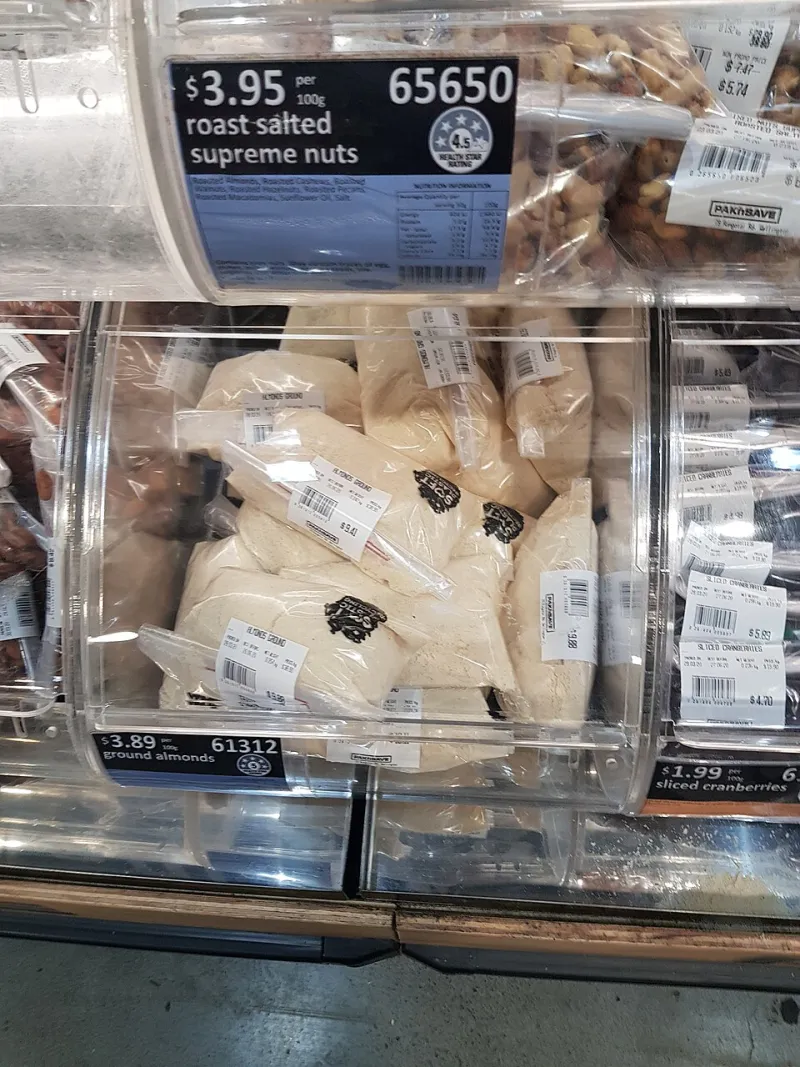
These are people who used to drop $6 on a jar of pasta sauce and now spend $1.89 on the store version that, by their own admission, tastes the same or better. They're the ones who did a side-by-side comparison on their kitchen counter because they genuinely wanted to know, and came away genuinely stunned. They're the people loading up carts at Costco and doing the math in their heads with the energy of someone who just cracked a code.
And they talk. They post. They drag their friends into it. The private label conversion isn't just a shopping habit — it's become a whole personality trait, and a surprisingly vocal one.
The Big Brands Are Not Okay
Here's where it gets genuinely interesting from a business standpoint: the major food conglomerates are not taking this lying down, but they also have no idea what to do about it.
Market share for legacy name brands has been sliding for years. Private label products now account for roughly one in every five dollars spent in U.S. grocery stores, and that number keeps climbing. Companies like Kraft Heinz, General Mills, and Campbell's have spent the last several years trying to figure out how to justify their price premiums in a world where consumers have stopped automatically trusting the logo.
Some of them leaned into nostalgia — slapping retro packaging on the same product and hoping the vintage vibes would do the heavy lifting. Some of them launched their own value lines, which is a fascinating kind of corporate self-sabotage. Some of them just raised prices and hoped nobody noticed, which went exactly as well as you'd expect.
None of it has fully worked. Because the problem isn't the marketing. The problem is that the curtain got pulled back, and people saw what was behind it.
Premium Store Brands Changed the Whole Conversation
The move that really buried the stigma for good wasn't just offering cheaper versions of the same thing. It was retailers deciding to go upmarket with their own labels. Whole Foods' 365 line. Target's Good & Gather. Kroger's Simple Truth. These aren't dressed-up generics trying to look respectable. They're fully developed product lines with real R&D behind them, designed to compete on quality first and price second.
When a Target house brand wins a blind taste test against a product that's been on shelves for sixty years, the conversation changes. When a Costco wine beats bottles three times its price at a sommelier panel, people stop treating the store brand as a compromise. It becomes the intelligent choice. The insider move.
And that reframing — from compromise to savvy — is exactly what killed the stigma.
No Apologies at the Register
The most telling sign that this shift is permanent isn't the market data, although the market data is pretty damning for the big guys. It's the behavior at the checkout line. People aren't hiding their store-brand hauls anymore. They're photographing them. They're posting the receipt. They're tagging the store and captioning it with how much they saved like they just won something — because honestly, they did.
There's a whole corner of the internet dedicated to Aldi finds, Kirkland rankings, and Trader Joe's seasonal drops. These aren't people settling. These are people who figured out that the name on the label was always the least interesting thing about the food inside.
The grocery store rebellion didn't need a manifesto. It just needed people to stop being embarrassed long enough to taste what they'd been avoiding. Turns out, once you do that, there's no going back to paying twice as much for the same thing wrapped in a familiar logo.
Big food built an empire on your insecurity. Looks like that empire is having a rough quarter.