Thirty Bucks and a Cart Full of Receipts: How Regular Shoppers Broke the Food Influencer Machine
Somewhere in suburban Ohio, a woman named Denise is filming the inside of her trunk. There's a reusable bag from a grocery chain you've definitely seen but probably don't think about much, a flat of store-brand eggs, two pounds of ground beef that were marked down because they expire tomorrow, and a block of Velveeta that she is not even slightly embarrassed about. She posts the video. By morning, it has four hundred thousand views.
Denise is not a chef. She does not have a brand deal. Her kitchen lighting is whatever the overhead fluorescent fixture is doing that day. And she is, without question, one of the most influential food voices on the internet right now.
Welcome to the grocery store rebellion — a full-scale, cart-rattling overthrow of the food content establishment, led by people who are genuinely just trying to feed their families without going broke.
The Aspirational Content Hangover
For years, food content on social media operated on a single premise: show people something they can't have and make them feel vaguely inadequate about it. Gorgeous kitchens. Ingredients sourced from small farms with poetic names. Recipes that technically serve four but require a mandoline, a blowtorch, and seventeen dollars' worth of fresh herbs you'll use once and then watch die in your crisper drawer.
It worked, for a while. People clicked. People saved posts. People did not, for the most part, actually cook anything.
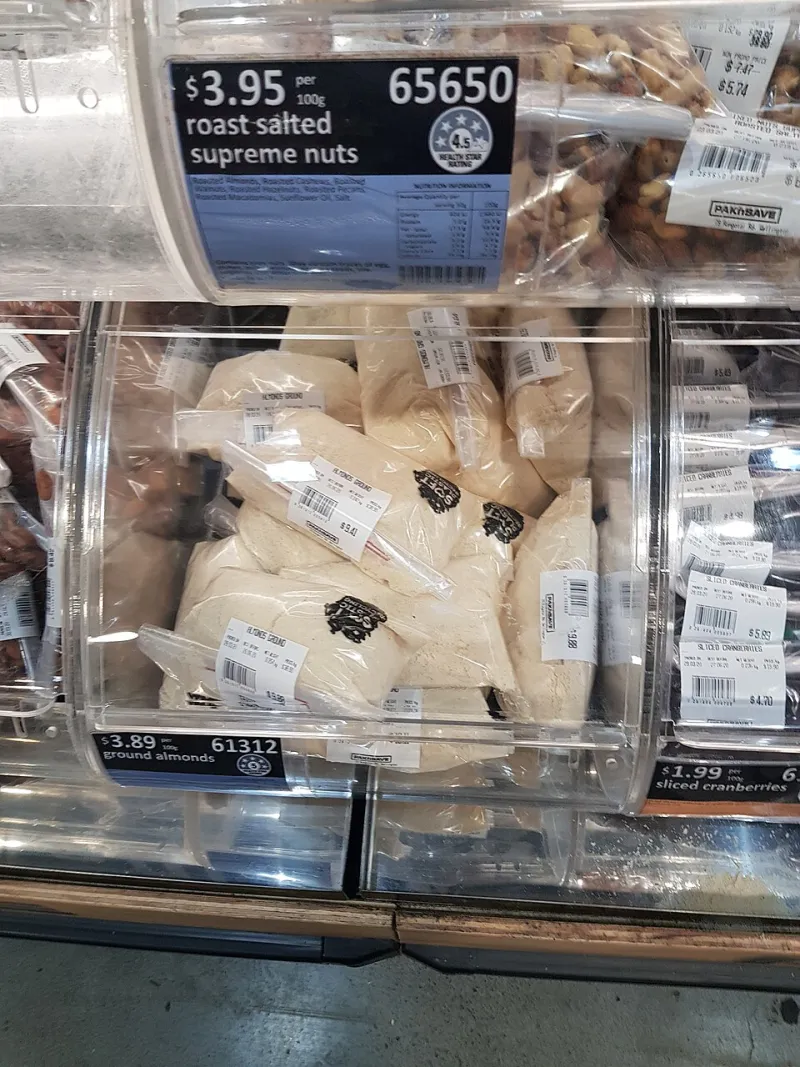
Then inflation hit like a freight train full of grocery receipts, and suddenly the gap between aspirational content and actual American refrigerators became impossible to ignore. The influencer in the marble kitchen was talking about truffle oil while people were doing real math in the condiment aisle, trying to figure out if the name-brand mustard was actually worth the extra ninety cents.
The audience didn't abandon food content. They just started demanding that it tell the truth.
The Haul That Started It All
The "grocery haul" format isn't new — it's been kicking around YouTube for over a decade, mostly in the corners of the internet occupied by extreme couponers and prepper communities. But something shifted around 2022 and 2023 when the format migrated to TikTok and Instagram Reels and collided with a population that was genuinely stressed about food costs.
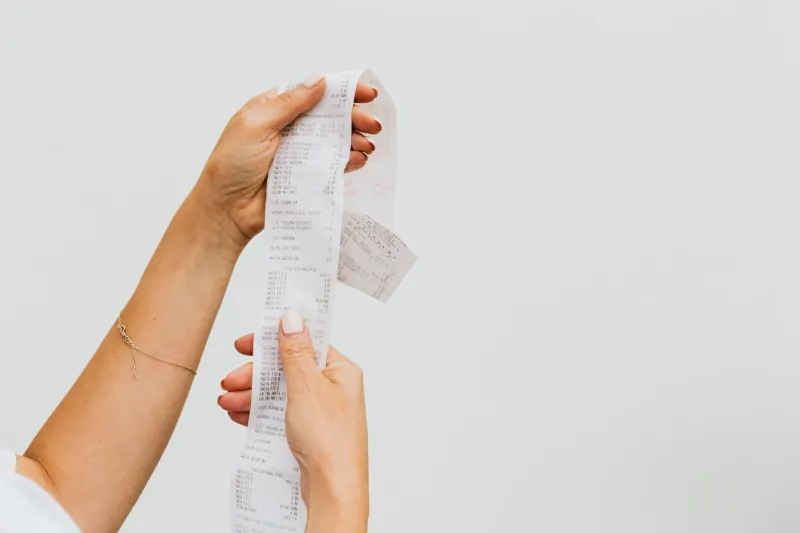
Creators who posted honest, unglamorous hauls — crinkled receipts held up to the camera, frozen vegetables stacked in the background, the occasional admission that yes, this is the third week in a row they've made the same chicken thigh situation — started racking up numbers that made no sense by traditional influencer logic.
No ring light. No music bed licensed from a boutique audio library. No caption written by a social media manager. Just a real person saying, "Okay so I spent forty-three dollars at Walmart and here's what I got and here's what I'm making with it this week."
The comments sections became their own ecosystem — part support group, part recipe swap, part collective exhale from people relieved to see content that reflected their actual lives.
Why the Math Matters More Than the Aesthetic
Ask anyone who's built a following doing budget haul content and they'll tell you the same thing: the number on the receipt is the hook. Not the food. The number.
When someone says they fed four people for a week on fifty-two dollars, that's not just a grocery achievement — it's a flex. It's a challenge. It's a tutorial. It triggers a specific kind of engagement that aspirational content can't touch, because it's actionable. Viewers aren't just watching because the content looks good. They're watching because they want to know if they can replicate the results.
That's a fundamentally different relationship than the one most food influencers have built, where the point is to be admired rather than useful.
Creators in this space talk about their audiences the way coaches talk about their teams. There's accountability built into the format. If you claim you can do a week of dinners for thirty-eight bucks, your comment section will find out if you're lying. That pressure breeds authenticity in a way that no brand partnership agreement ever could.
The Brands Are Watching (And Panicking Slightly)
Here's where it gets interesting from a purely mercenary standpoint: the food industry is paying attention, and they are not entirely sure what to do about it.
On one hand, these creators are essentially free advertising for store brands, discount retailers, and the kind of value-tier products that big food companies have spent decades trying to class up or quietly phase out. When someone films themselves raving about the Aldi knockoff version of a name-brand product, that's a testimonial no marketing budget can manufacture.
On the other hand, the entire appeal of these creators is that they're not sponsored. The second a budget haul account starts taking brand deals, a portion of the audience will clock it immediately and the trust evaporates. It's a tightrope that a lot of creators are still figuring out how to walk.
Some have managed it by being transparent — disclosing everything, keeping the content honest even when a brand is involved, and being selective enough about partnerships that the audience doesn't feel like they're being sold to constantly. Others have tried to cash in too fast and watched their engagement crater in real time. The audience for this content did not come here to be marketed to. They came here because they were tired of being marketed to.
The Actual Food Is Good, By the Way
Lost in all the discourse about authenticity and economics is the fact that a lot of this food is genuinely excellent. Budget cooking, done with even a moderate amount of skill and intention, produces meals that would embarrass certain restaurants charging forty dollars a plate.
The creators who've figured this out are the ones building the most durable followings. It's not just about the haul — it's about what happens after the haul. The sheet pan dinners. The big batch of something that becomes four different meals throughout the week. The discovery that a cheap cut of meat, given enough time and the right amount of seasoning, will outperform something that costs three times as much.
This is food knowledge that used to live in church cookbooks and family recipe boxes and the heads of grandmothers who survived actual scarcity. It got lost somewhere between the Food Network era and the Instagram era, and it's being reconstructed, piece by piece, in comment sections and duet videos and grocery store parking lots.
The Rebellion Is Already Won
The food influencer industrial complex isn't going anywhere — there's too much money in it. But the ground has shifted in a way that can't be undone. The audience has tasted something real, and they're not going back to watching someone make a dish that requires a piece of equipment they've never heard of and ingredients that are only available if you live within driving distance of a Whole Foods.
Denise from Ohio is still posting. Her engagement rate would make a brand manager cry. She has no agent, no media kit, and no plans to develop a line of cookware.
She's just got a cart, a receipt, and a comment section full of people who finally feel like someone on the internet is actually talking to them.
That's the whole rebellion, right there.