Store Brand or Die: The Americans Weaponizing Their Shopping Carts Against Corporate Food Giants
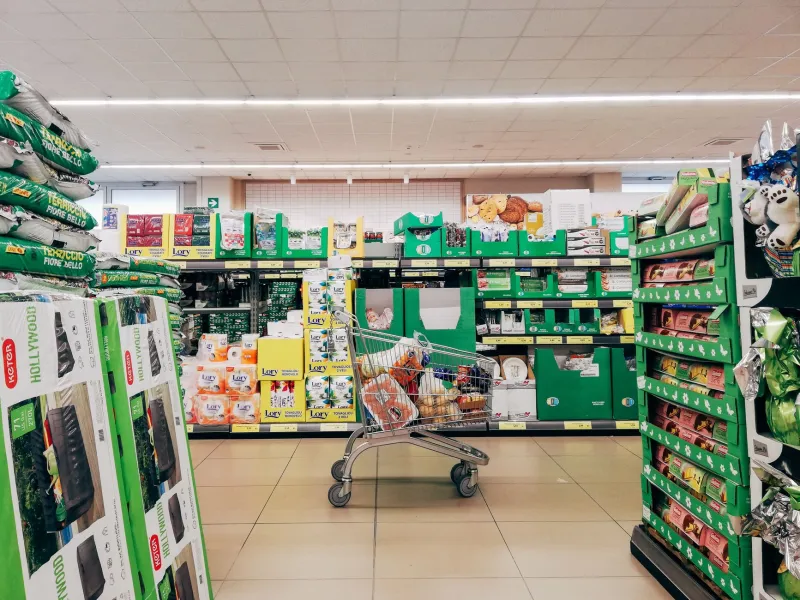
There's a woman in Columbus, Ohio, who has not bought a name-brand cereal since 2021. She knows exactly what she's doing. She's not broke. She's not uninformed. She has a full-time job, a functional kitchen, and strong opinions about oat clusters. She just decided one Tuesday afternoon, standing in the breakfast aisle at Kroger, that she was done funding the marketing budget of a multinational corporation when the bag next to it was literally the same cereal made in the same facility for $2.40 less.
She calls it her "small act of chaos." The internet calls it a movement.
What Started as Frugality Became a Full-On Identity
For decades, buying store brands carried a specific social stigma in America. The generic label was the food equivalent of showing up to a party in a knockoff shirt — technically functional, quietly embarrassing. Big Food spent billions making sure you felt that way. The brand premium wasn't just about quality. It was about status, aspiration, and the deeply American belief that paying more for something meant you were doing better in life.
Then the economy did what the economy does, inflation went feral, and suddenly a whole generation of shoppers started squinting at those price tags with fresh eyes. What they found was inconvenient for the Krafts and General Mills of the world: the store brand was almost always fine. Sometimes it was better. Occasionally it was made in the exact same plant by the exact same people and just shipped out in a different box.
That discovery didn't just change buying habits. It rewired something deeper. Once you realize you've been paying a $1.80 logo tax on shredded cheese for fifteen years, you don't go back. You get a little angry, actually. And then you get a little smug. And then you start recommending Great Value vanilla extract to everyone at Thanksgiving like you've cracked a code that the culinary establishment has been hiding from you.
The Cart as a Political Statement
This is where things get genuinely interesting. What used to be a private, slightly embarrassed financial decision has become something people openly brag about. TikTok is full of haul videos where the entire point is the audacity of the savings. Reddit threads in communities like r/Frugal and r/Anticonsumption read like testimonials from people who have been deprogrammed from a cult. "I bought the Aldi version of everything for a month and I genuinely cannot tell the difference" is a sentence that gets thousands of upvotes because it hits like a revelation.
Amanda Torres, a 34-year-old teacher from San Antonio, described her shopping philosophy to us with the kind of calm certainty usually reserved for people who have done a lot of therapy. "I'm not anti-food," she said. "I'm anti being manipulated into thinking a cartoon tiger on the box makes the corn flakes taste better. It doesn't. I've tested this."
She's not alone. Market research firm PLMA reported that store brand sales in the U.S. hit record highs in recent years, with private label products now accounting for roughly one in every five items sold in American grocery stores. That number has been climbing steadily, and industry analysts are increasingly nervous about what it means for the legacy brands that have coasted on name recognition for generations.
Big Food Is Sweating and It Shows
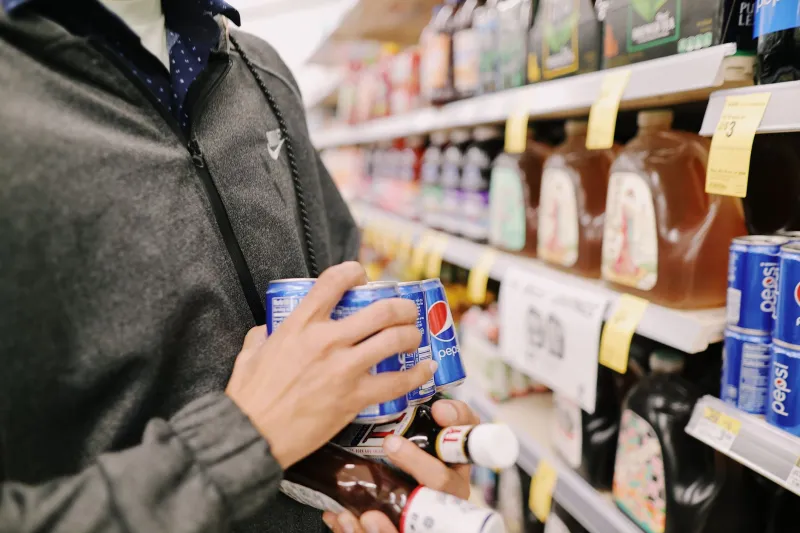
The major food corporations have noticed. You can tell because they've started doing something they historically never had to do: justify themselves. Kellogg's ran campaigns about "real ingredients." Heinz leaned hard into heritage marketing. Campbell's started talking about its soup like it was a handcrafted artisanal product and not something that has been sitting in the same recipe since 1969.
None of it is working particularly well, and that's kind of hilarious.
Because here's the thing about a generation of consumers who have already done the math: you cannot un-ring that bell with a nostalgia commercial. Once someone has stood in the pasta aisle, compared the Barilla to the store label, done the arithmetic, bought the store label, cooked it, eaten it, and concluded that their family noticed absolutely zero difference, that person is gone. You've lost them. They're not coming back because you aired a heartwarming ad about Italian grandmothers.
The rebellion isn't loud. There are no protests, no organized boycotts, no manifestos. It's quieter and more effective than any of that. It's just millions of individual Americans, one shopping trip at a time, sliding the cheaper box into their cart and feeling genuinely fine about it.
The Kirkland Effect and the Cult of the Generic
Costco's Kirkland Signature line deserves its own chapter in this story because it essentially broke the entire psychological framework that kept name brands dominant. Kirkland convinced people — correctly — that a private label could be premium. It could be the best version of something. It could be the thing you bragged about rather than hid.
Once Kirkland proved that the store brand could be an aspirational product, the entire hierarchy collapsed. If Kirkland olive oil is genuinely excellent, why is Great Value olive oil automatically inferior? If the Trader Joe's version of something is beloved and internet-famous, what exactly is the name brand offering beyond familiarity and a bigger advertising budget?
The answer, increasingly, is nothing. And Americans are acting accordingly.
What This Actually Costs Big Food
The financial stakes here are not small. The brand premium — that extra dollar or two that companies charge for the logo — represents an enormous percentage of profit margins for legacy food companies. When consumers abandon the premium en masse, it doesn't just hurt revenue. It forces companies to actually compete on product quality and value, which is a game they haven't had to play seriously in decades.
Some brands are adapting. Others are doubling down on marketing spend, which is a little like a restaurant responding to bad reviews by printing nicer menus. The results have been predictably mixed.
Meanwhile, store brands are getting better. Grocery chains have figured out that their private labels are now a genuine competitive advantage, and they're investing accordingly. Aldi and Lidl built their entire American expansion strategies around the idea that people would choose quality generics over name brands if given the option. They were right. Both chains are growing aggressively in markets where established grocers assumed loyalty was permanent.
The Quiet Power Move
There's something almost beautiful about the simplicity of this rebellion. You don't need a platform. You don't need followers. You don't need to argue with anyone online or sign anything or show up anywhere. You just need a shopping cart and a willingness to reach one shelf to the left.
The woman in Columbus isn't trying to change the world. She's just buying cereal that tastes the same and costs less and refusing to feel bad about it. Multiply her by a few million and you have an industry in genuine existential crisis, caused entirely by regular people deciding that a logo isn't worth the premium anymore.
Big Food spent decades selling you the idea that their brand meant something. Turns out it mostly meant a bigger marketing budget and a slightly fancier box. Americans figured that out, and they're spending the difference on literally anything else.
Small act of chaos, indeed.